
What Does Indigenous Mean? Understanding Indigenous Peoples, Land, Culture, and Respect

Indigenous Peoples are the original peoples of a land. They have their own cultures, languages, histories, spiritual beliefs, and deep connections to their traditional territories. Indigenous communities existed long before modern countries, borders, governments, and cities were created.
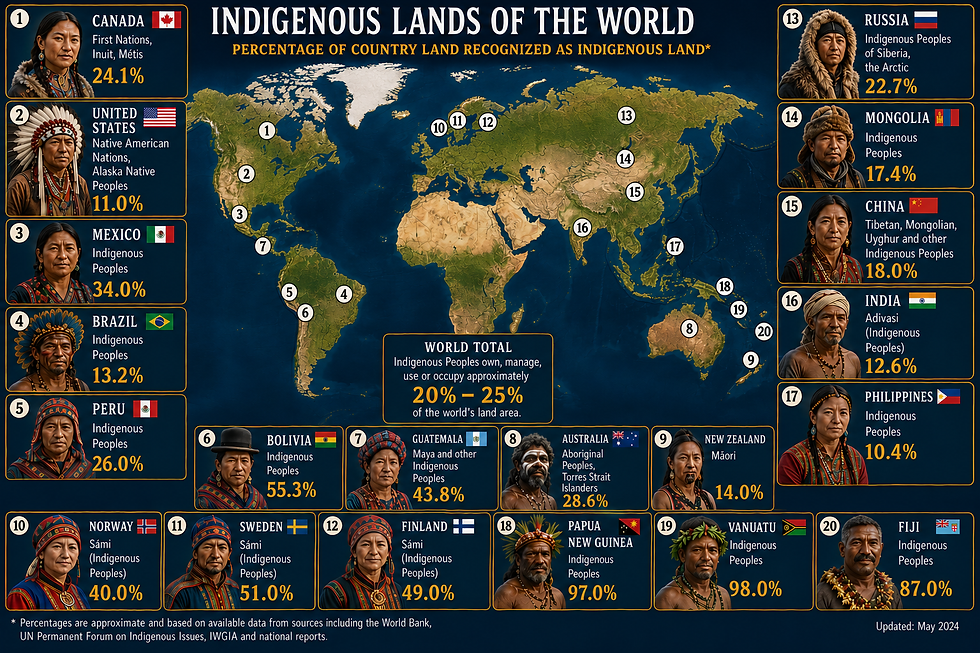
Around the world, there are about 476 million Indigenous Peoples living in about 90 countries. They represent thousands of cultures and speak many different languages. Indigenous Peoples are found in Canada, the United States, Mexico, Brazil, Peru, Bolivia, Guatemala, Australia, New Zealand, Norway, Sweden, Finland, Russia, Mongolia, India, the Philippines, Papua New Guinea, Vanuatu, Fiji, and many other countries.
Indigenous land means more than property. It is home, identity, history, family, food, ceremony, language, and responsibility. Many Indigenous Peoples see land as something to care for, not something to own in a selfish way. The land gives life, water, animals, plants, medicine, shelter, and connection to ancestors.
Indigenous Culture and History
Every Indigenous culture is different. There is no single Indigenous culture for the whole world. First Nations, Inuit, and Métis in Canada are different from Māori in New Zealand, Aboriginal and Torres Strait Islander Peoples in Australia, Sámi in Northern Europe, Adivasi in India, Indigenous Peoples in the Philippines, and Amazonian Peoples in Brazil.
Many Indigenous cultures teach respect for elders, children, animals, land, water, and spirit. Storytelling is very important. Stories pass down history, lessons, language, and values from one generation to the next.
Many Indigenous communities also experienced colonization, land loss, forced relocation, discrimination, and attempts to erase their languages and cultures. Even with these painful histories, Indigenous Peoples continue to protect their identity, traditions, families, and land.
Spirit, Animals, and Nature
Many Indigenous cultures have spiritual beliefs connected to nature. Animals may carry teachings, symbols, or lessons. For example:
The bear can represent strength, courage, protection, healing, and family.
The wolf can represent loyalty, teamwork, communication, family, and leadership
.
The eagle can represent vision, prayer, freedom, courage, and connection to the Creator or spirit world.
The turtle can represent Mother Earth, patience, protection, and long life.
The buffalo can represent survival, respect, sharing, and community.
These meanings can be different depending on the Nation, tribe, clan, or community. It is important not to copy sacred symbols without permission. We should learn with respect and give credit to the culture.
The Role of Indigenous Children
Indigenous children are the future of their Nations. A good role for Indigenous children is to learn their language, listen to elders, respect the land, understand their history, and feel proud of who they are.
Children should never feel shame for being Indigenous. They deserve love, safety, education, culture, language access, and strong role models. When children learn their roots, they can grow with pride and confidence.
Countries with High Indigenous Population Percentages
Some countries have a high percentage of Indigenous population. Examples include:
Bolivia – about 41% to 48% Indigenous
Guatemala – about 43.75% Indigenous
Peru – millions of Indigenous Peoples from many groups and languages
New Zealand – Māori are a major Indigenous population
Canada – about 5% Indigenous
Australia – about 3.8% Aboriginal and Torres Strait Islander Peoples
These numbers can change depending on census, identity, and how each country counts Indigenous Peoples.
Full Map List: 1 to 20 Countries
1. Canada
Indigenous Peoples: First Nations, Inuit, Métis
Culture and history: Indigenous Peoples in Canada have many Nations, languages, and traditions. First Nations are connected to many territories across Canada. Inuit live mainly in Arctic regions. Métis have a distinct culture connected to mixed Indigenous and European ancestry.
Land meaning: Land is connected to identity, family, ceremony, hunting, fishing, language, and responsibility.
Approximate map percent: 24.1% Indigenous land shown on the AI map, but this should be checked with official land data.
2. United States
Indigenous Peoples: Native American Nations and Alaska Native Peoples
Culture and history: Many Nations lived across the land long before the United States was created. Each Nation has its own language, government, traditions, and history.
Land meaning: Tribal lands and traditional territories are connected to sovereignty, culture, ancestors, and survival.
Approximate map percent: 11.0% shown on the AI map, not official.
3. Mexico
Indigenous Peoples: Maya, Nahua, Zapotec, Mixtec, Otomí, and many others
Culture and history: Mexico has deep Indigenous history, including ancient civilizations, languages, agriculture, art, and spiritual traditions.
Land meaning: Land is connected to community, farming, language, and ancestral identity.
Approximate map percent: 34.0% shown on the AI map, not official.
4. Brazil
Indigenous Peoples: Many Indigenous Nations, including Amazonian Peoples
Culture and history: Brazil has hundreds of Indigenous groups. Many protect forests, rivers, animals, and traditional knowledge.
Land meaning: Indigenous land in Brazil is strongly connected to rainforest protection, medicine, food, and culture.
Approximate map percent: 13.2% shown on the AI map, not official.
5. Peru
Indigenous Peoples: Quechua, Aymara, and many Amazonian groups.
Culture and history: Peru has Indigenous history connected to the Andes, Amazon, farming, weaving, language, and ancient civilizations.
Land meaning: Land is connected to mountains, rivers, agriculture, ceremony, and ancestors.
Approximate map percent: 26.0% shown on the AI map, not official.
6. Bolivia
Indigenous Peoples: Quechua, Aymara, Guaraní, and others.
Culture and history: Bolivia has one of the highest Indigenous population percentages in the world. Indigenous identity is very important in language, politics, clothing, music, and land.
Land meaning: Land is connected to community, farming, spirituality, and Pachamama, often known as Mother Earth.
Approximate map percent: 55.3% shown on the AI map, not official.
7. Guatemala
Indigenous Peoples: Maya Peoples, Garífuna, Xinka, and others.
Culture and history: Guatemala has a large Maya population with many languages, textiles, ceremonies, and community traditions.
Land meaning: Land is connected to farming, family, ceremony, language, and cultural survival.
Approximate map percent: 43.8% shown on the AI map, close to some population estimates, but land percentage still needs official confirmation.
8. Australia
Indigenous Peoples: Aboriginal and Torres Strait Islander Peoples.
Culture and history: Indigenous Australians have one of the world’s oldest continuing cultures. Culture is connected to Country, Dreaming stories, songlines, land, sea, sky, and family.
Land meaning: Country is not only land. It includes people, spirit, ancestors, water, animals, plants, and law.
Approximate map percent: 28.6% shown on the AI map, not official.
9. New Zealand
Indigenous Peoples: Māori
Culture and history: Māori culture includes language, whakapapa, carving, weaving, haka, marae, and strong community identity.
Land meaning: Land and water are connected to ancestry, identity, responsibility, and guardianship.
Approximate map percent: 14.0% shown on the AI map, not official.
10. Norway
Indigenous Peoples: Sámi
Culture and history: Sámi Peoples live in northern Norway, Sweden, Finland, and Russia. Their culture includes language, clothing, joik singing, handicrafts, fishing, and reindeer herding.
Land meaning: Land is connected to reindeer migration, language, family, and Arctic survival.
Approximate map percent: 40.0% shown on the AI map, not official.
11. Sweden
Indigenous Peoples: Sámi
Culture and history: Sámi communities in Sweden continue to protect language, reindeer herding, crafts, and cultural rights.
Land meaning: Land is connected to seasonal movement, animals, food, and cultural identity.
Approximate map percent: 51.0% shown on the AI map, not official.
12. Finland
Indigenous Peoples: Sámi
Culture and history: Sámi Peoples in Finland have traditional homelands in the north. Their culture includes language, clothing, reindeer herding, fishing, and family traditions.
Land meaning: Land is connected to Arctic life, nature, language, and ancestral responsibility.
Approximate map percent: 49.0% shown on the AI map, not official.
13. Russia
Indigenous Peoples: Indigenous Peoples of Siberia, the Arctic, and the Far East
Culture and history: Russia has many Indigenous groups with traditions connected to reindeer herding, fishing, hunting, language, and Arctic life.
Land meaning: Land is connected to survival, animals, migration, rivers, and traditional knowledge.
Approximate map percent: 22.7% shown on the AI map, not official.
14. Mongolia
Indigenous Peoples: Indigenous and nomadic communities
Culture and history: Mongolia has strong nomadic culture connected to horses, herding, family, land, and seasonal movement.
Land meaning: Land is connected to grazing, animals, freedom, family, and traditional life.
Approximate map percent: 17.4% shown on the AI map, not official.
15. China
Indigenous / ethnic minority communities: Tibetan, Mongolian, Uyghur, and many other groups.
Culture and history: China has many ethnic minority cultures with different languages, religions, clothing, music, and land histories.
Land meaning: For many groups, land is connected to mountains, grasslands, deserts, farming, herding, and spiritual places.
Approximate map percent: 18.0% shown on the AI map, not official.
16. India
Indigenous Peoples: Adivasi and tribal communities.
Culture and history: Adivasi communities have many languages, forest traditions, farming practices, music, dances, and spiritual beliefs.
Land meaning: Land is connected to forests, farming, water, medicine, animals, and community life.
Approximate map percent: 12.6% shown on the AI map, not official.
17. Philippines
Indigenous Peoples: Aeta, Igorot, Ifugao, Kalinga, Mangyan, Lumad, Manobo, T’boli, Badjao, and many others.
Culture and history: The Philippines has many Indigenous Cultural Communities. Their cultures include weaving, tattoo traditions, rice terraces, oral stories, music, boat culture, mountain life, and forest knowledge.
Land meaning: Ancestral land is connected to identity, elders, family, farming, rivers, mountains, and community protection.
Approximate map percent: 10.4% shown on the AI map, not official. Many estimates say Indigenous Peoples in the Philippines are about 10% to 20% of the population.
18. Papua New Guinea
Indigenous Peoples: Many Indigenous groups.
Culture and history: Papua New Guinea has hundreds of languages and cultures. Communities have strong traditions in land, clan identity, art, gardening, ceremony, and storytelling.
Land meaning: Land is connected to clan, family, food, spirit, and identity.
Approximate map percent: 97.0% shown on the AI map, not official.
19. Vanuatu
Indigenous Peoples: Ni-Vanuatu
Culture and history: Vanuatu culture is connected to island life, ocean, land, chiefs, community, language, dance, and ceremony.
Land meaning: Land is connected to family, custom law, gardening, ancestors, and community responsibility.
Approximate map percent: 98.0% shown on the AI map, not official.
20. Fiji
Indigenous Peoples: iTaukei
Culture and history: iTaukei culture includes village life, chiefs, language, ocean knowledge, land, ceremony, and family.
Land meaning: Land is connected to family, clan, tradition, respect, and identity.
Approximate map percent: 87.0% shown on the AI map, not official.
Important Message
Indigenous land is not only about percentage. It is about respect, history, identity, culture, spirit, language, ancestors, and responsibility. Many of us live, work, travel, and build our lives on Indigenous lands. We should be thankful, respectful, and willing to learn the truth.
Respecting Indigenous Peoples means listening, learning, supporting Indigenous voices, respecting sacred places, supporting Indigenous-owned businesses, and teaching children that Indigenous cultures are alive today.
What Is a Tipi?
A tipi is a cone-shaped traditional lodge used by some Indigenous Peoples of the Plains in North America. It was designed to be portable, strong, and useful for families who moved with the seasons and followed food sources such as buffalo.
Not all Indigenous Peoples lived in tipis. Some lived in longhouses, pueblos, igloos, plank houses, earth lodges, stilt houses, or other homes depending on their land, climate, and culture.
A tipi is not just a “tent.” It can represent home, family, survival, community, and cultural knowledge.
Trade, Sharing, and Respect
Long before modern countries existed, Indigenous Peoples had trade routes, relationships, and agreements. They traded food, tools, clothing, shells, medicines, art, and knowledge. Trade was often connected to respect, trust, and relationship-building.
Today, when people live, work, travel, or build businesses on Indigenous land, it is important to show respect. This can include learning the correct land acknowledgement, supporting Indigenous-owned businesses, listening to Indigenous voices, respecting sacred sites, and understanding local history.
Respecting Indigenous land means understanding that we are guests on land that has a long history before us.
Why We Should Be Thankful
People should be thankful to Indigenous Peoples and Indigenous lands. Many beautiful countries today were built on lands that Indigenous Peoples cared for long before modern governments existed.
We can show thankfulness by learning, respecting, supporting fairness, protecting nature, and teaching children the truth. Respect is not only words. Respect means action, listening, honesty, and helping each other.
Indigenous Peoples are not only part of the past. They are here today. Their cultures, languages, lands, and rights matter. When we respect Indigenous Peoples, we help create a better future for everyone.


Comments